
Discover the Surprising Benefits of Dog Socialization Today
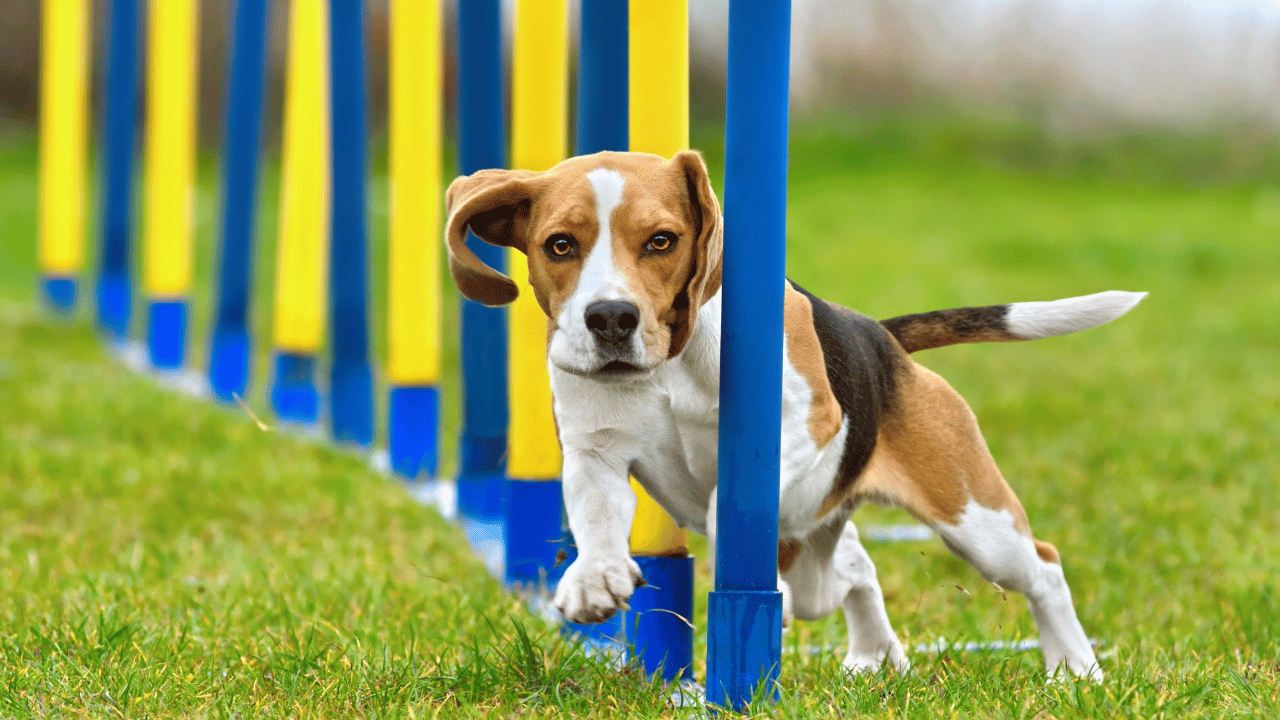
Did you know that a well-socialized dog is up to 40% less likely to struggle with separation anxiety or fear-driven aggression? Dive into this guide to discover how socializing your dog can dial down stress, polish their manners, and build rock-solid confidence. We’ll break down what socialization really means, explore its incredible benefits for pups and adult dogs alike, highlight the behavioral and health wins, explain how classes and training programs are your secret weapon, and show you how The Collar Club Academy’s expert trainers and community connections can pave the way for your dog’s best social life.
What Exactly Is Dog Socialization and Why Does It Matter So Much?
Dog socialization is all about introducing your dog to a variety of people, places, sounds, and other animals in a positive and structured way. This helps them learn to navigate the world with confidence and ease. By creating controlled, positive experiences, you can help prevent fear responses and cultivate a calm, adaptable companion—think of it like your puppy meeting a friendly stranger, setting the stage for stress-free greetings at the dog park.
How Do We Define Dog Socialization?
Dog socialization happens when your dog:
Encounters different sights, sounds, and smells
Experiences these new things paired with positive rewards (like tasty treats or enthusiastic praise)
Learns to connect new situations with feelings of safety and enjoyment
This process builds incredible resilience, turning a timid pup into an outgoing and adventurous friend.
What Are the Key Reasons Dog Socialization Is a Game-Changer?
Before we list them, remember that each of these points addresses a fundamental need for your dog’s emotional well-being and helps create a more harmonious home, especially if you have multiple dogs.
Reduces Fear and Anxiety by making unfamiliar sights and sounds feel normal and safe.
Prevents Aggression by teaching crucial bite inhibition and appropriate interaction skills early on.
Boosts Confidence by reinforcing that new experiences lead to positive outcomes.
Improves Obedience by practicing commands in the presence of distractions, making them reliable anywhere.
Strengthens Your Bond through shared adventures and guided exploration, building trust.
Together, these benefits help shape well-rounded dogs who are ready to embrace all of life’s adventures with you.
What Happens If a Dog Misses Out on Proper Socialization?
Without adequate socialization, dogs might:
Develop lasting fear and anxiety around everyday things they encounter.
React with aggression out of confusion or insecurity.
Experience chronic stress that can impact their physical health.
Struggle in public places, significantly limiting their quality of life and your shared experiences.
Those early social experiences are foundational for lifelong behavior, so skipping them can lead to more challenging training down the road.
What Are the Top Benefits of Puppy Socialization?
Puppy socialization is absolutely crucial between 3–16 weeks of age to help shape a confident, well-adjusted adult dog. During this golden window, puppies are incredibly open to new experiences with minimal fear, allowing them to build positive associations that can prevent anxiety and reactivity later in life.
When Is the Critical Socialization Period for Puppies?
The critical socialization period typically spans from about 3 to 16 weeks old. This is when puppies are forming their most important impressions of the world. Introducing them to new people, different surfaces, and various sounds during this time helps ensure future experiences feel safe and exciting.
Canine Socialisation: A Narrative Systematic Review
Research highlights that the critical socialization period for puppies generally occurs between 3 and 12 weeks of age. During this key phase, puppies are highly receptive to new stimuli and begin forming their primary social relationships, which profoundly influences their behavior as adult dogs.
This foundational research underscores just how vital early socialization is for shaping a dog’s behavior and preventing common issues like separation anxiety and aggression.
How Does Early Socialization Prevent Fear and Anxiety?
Early socialization introduces puppies to a wide range of stimuli, consistently paired with positive rewards. This helps build neural pathways that can override instinctive fear responses. For instance, gently introducing your puppy to the sound of a vacuum cleaner at a low volume while offering treats can prevent future stress when it’s time for cleaning.
Puppy parties and beyond: the role of early age socialization practices on adult dog behavior
Studies confirm that dogs who are socialized as puppies are significantly less likely to develop behavioral problems, including aggression and fearfulness, as adults. These dogs also tend to display more positive social interactions with people.
This research strongly supports the idea that early socialization is a powerful tool for preventing behavioral challenges in adult dogs.
What Are Effective Techniques for Socializing Puppies?
Here are some proven methods to guide your puppy’s social development:
Controlled Playdates with healthy, vaccinated puppies help them learn appropriate interaction skills in a safe setting.
Sound Desensitization involves playing recordings of traffic, thunderstorms, or doorbells at a low volume, paired with treats, to build tolerance.
Gradual Exposure Walks introduce new environments like parks and sidewalks through short, positive outings.
Each of these techniques encourages curiosity over caution, helping puppies embrace new experiences rather than shy away from them.
What Common Mistakes Should Puppy Owners Steer Clear Of?
Owners sometimes unintentionally hinder socialization by:
Overwhelming puppies with too many new experiences all at once.
Forcing interactions when a puppy isn't showing readiness or comfort.
Skipping essential health checks before allowing group play.
Relying on uncontrolled introductions, especially off-leash in public areas.
Avoiding these pitfalls ensures that your puppy’s learning experiences remain positive and prevents the generalization of fear.
How Can You Socialize an Adult Dog Successfully?
Absolutely! Adult dogs can definitely learn to be well-socialized with patient, reward-based methods that respect their past experiences and build new positive associations. While older dogs might need a bit more time to build trust in new situations, consistent training can unlock their potential for adaptability.
What Challenges Do Adult Dogs Face in Socialization?
Adult dogs often grapple with:
Established Fear Associations stemming from previous negative encounters.
Heightened Reactivity that can be rooted in territorial instincts or past experiences.
Reduced Curiosity compared to their younger puppy counterparts.
Physical Limitations that might affect their mobility or comfort during introductions.
Acknowledging these unique challenges is the crucial first step toward creating a personalized socialization plan for your adult dog.
Which Methods Work Best for Adult Dogs?
Key approaches that yield great results include:
Counter-conditioning: Pairing something your dog fears with something they absolutely love (like high-value treats) to change their emotional response.
Desensitization: Gradually exposing your dog to triggers at a low intensity, slowly increasing their tolerance over time.
Clicker Training: Using a clicker to precisely mark desired calm behavior in distracting environments, reinforcing what you want to see.
Choice-Based Engagement: Allowing your dog the freedom to retreat when they feel overwhelmed and to choose when they are ready to re-engage.
These reward-focused strategies are excellent for rebuilding confidence and trust.
How Long Does It Take to Socialize an Adult Dog?
The timeline for socializing an adult dog can vary significantly from one dog to another. However, many adult dogs show noticeable improvements in as little as 4–8 weeks of consistent, structured sessions. Progress is influenced by the frequency of training, how well you can control the environment, and your dog’s individual temperament.
What Behavioral Improvements Result from Dog Socialization?
Socialization enhances a dog’s behavior across the board by teaching them how to engage safely and positively with the world around them. Well-socialized dogs tend to respond thoughtfully rather than reacting impulsively.
How Does Socialization Reduce Aggression and Reactivity?
By repeatedly exposing dogs to potential triggers at manageable levels and rewarding calm responses, socialization helps to lower their overall stress threshold. This process helps replace defensive aggression with relaxed curiosity during greetings or when encountering new situations.
In What Ways Does Socialization Build Confidence and Adaptability?
Dogs learn that new experiences can lead to wonderful things—like play, praise, or treats—so they begin to approach the unknown with anticipation rather than apprehension. This newfound adaptability extends to everyday situations like vet visits, car rides, and family gatherings.
How Does Socialization Improve Manners and Obedience?
Integrating obedience training into social settings—like practicing a “sit” command amidst the exciting distractions of a park—helps solidify commands under real-world conditions. Dogs learn that listening pays off with rewards, even when their excitement levels are high.
What Are the Health and Emotional Well-being Benefits of Dog Socialization?
Socialization has profound effects on both your dog’s physical health and their emotional resilience. Well-adjusted dogs tend to experience fewer stress-related ailments and maintain healthier, happier lifestyles.
How Does Socialization Reduce Stress and Anxiety in Dogs?
Regular, positive social interactions can trigger the release of endorphins and lower cortisol levels. This helps mitigate chronic stress and reduces the likelihood of anxiety-driven behaviors like excessive pacing or compulsive licking.
What Role Does Socialization Play in Physical Activity and Fitness?
Structured playgroups and outings encourage consistent exercise, which is vital for dogs to maintain a healthy weight, build strong muscle tone, and support cardiovascular health. Social play often involves running, jumping, and interactive games that significantly boost overall fitness.
How Does Socialization Strengthen the Owner-Dog Bond?
Shared social experiences, whether it’s attending puppy classes or going on group walks, build mutual trust and understanding between you and your dog. You’ll gain a deeper insight into canine body language, and your dog will learn to look to you for guidance and reassurance.
How Do Dog Socialization Classes and Training Programs Help?
Professional socialization classes offer safe, expertly supervised environments where dogs can interact and learn under the guidance of experienced professionals. These programs can significantly accelerate learning by pairing targeted exposures with structured, consistent training.
Do Puppy Classes Have a Lasting Effect on Dog Behavior?
Research indicates that puppies who participate in classes by six months of age tend to exhibit fewer behavioral problems as adults, such as aggression. Early training in dog classes provides a wealth of behavioral benefits that continue as the puppy grows into adulthood.
This insight strongly supports the value of socialization classes and their lasting impact on a dog’s behavior.
What Types of Dog Socialization Classes Are Available?
Here are some common formats you might find offered by trainers and facilities:
Board and Train Programs provide an immersive experience in a controlled setting to build social confidence.
Group Puppy Classes create small, curated groups for early peer interactions and learning.
Daycare Social Sessions offer supervised play opportunities with dogs of various ages.
Private Socialization Sessions allow for customized exposure plans tailored to your dog’s specific needs.
Online Socialization Modules equip owners with the knowledge and techniques to conduct safe, effective exposures at home.
The Power of Proper Puppy Socialization and Training Classes
New research from the Ontario Veterinary College at the University of Guelph highlights that puppy classes are an essential component of ensuring your dog is properly socialized. The study found that nearly one-third of the puppies involved received only minimal exposure to people and dogs outside their home environment.
Summary: Selecting the right class format can ensure targeted social outcomes for both puppies and adult dogs.
How Does The Collar Club Academy’s Training Support Socialization?
At The Collar Club Academy: Denton Dog Training, our founder Nikki Musko and her dedicated team utilize instinct-based, balanced, and proven training methods to craft a personalized socialization journey for every dog. With over a decade of experience and more than 7,000 dogs successfully trained, we expertly blend group classes, one-on-one coaching, and real-world exposures to instill lifelong social skills.
What Should You Look for When Choosing a Socialization Class?
When you’re evaluating programs, be sure to prioritize these key elements:
Trainer Credentials to ensure they have certified expertise in behavior and training.
Class Size that is small enough to allow for individualized attention and effective management.
Facility Environment that is safe, clean, and consistently well-supervised.
Schedule Flexibility to help you maintain consistency in your dog’s training.
For personalized recommendations and to discuss your dog’s specific needs, schedule a consultation with our expert team in Denton, TX.
How Can You Tell If Your Dog Is Well Socialized?
Assessing your dog’s socialization progress involves observing clear behavioral indicators and tracking their responses over time. Well-socialized dogs typically exhibit calm curiosity rather than avoidance or aggression.
What Are the Common Signs of a Well-Socialized Dog?
This table outlines key traits and their positive outcomes:
Calm greetings are a primary indicator of a well-socialized dog. This is shown through a relaxed body posture and soft eyes when they meet new people or dogs. The benefit of this behavior is that it leads to enjoyable and stress-free encounters for everyone involved, preventing any potential tension or fear.
Another important indicator is how a dog handles play. A well-socialized dog initiates play with appropriate body language like play bows and loose movements. These clear signals facilitate healthy and positive interactions with other dogs, helping them communicate their intentions effectively and avoid misunderstandings.
Confident exploration is also a strong sign of a well-adjusted dog. This is observed when a dog actively sniffs and investigates new sights and environments with curiosity, rather than fear. This behavior demonstrates a willingness to engage and adapt to new surroundings, which is crucial for a dog to feel comfortable in different places.
Finally, consistent recall is a key benefit of a well-socialized and trained dog. This means they respond reliably to commands even with mild distractions present. This obedience ensures dependable obedience in various social settings, such as at a park or a cafe, keeping the dog safe and allowing the owner more freedom to enjoy these environments.
How Can Owners Monitor Socialization Progress?
To effectively track your dog’s development, you can:
Maintain a Socialization Log: Note down dates, locations, who they met, and their reactions.
Record Video Sessions: Review body language and recall performance under different levels of distraction.
Use Milestone Checklists: Align progress with age-appropriate and experience-based benchmarks.
Seek Trainer Feedback: Utilize opportunities during group classes or private sessions for expert assessment.
Consistent monitoring helps highlight improvements and identify areas that may need further reinforcement.
When Should You Seek Professional Help for Socialization Issues?
It’s time to engage a qualified trainer if your dog:
Consistently exhibits fear or avoidance of common everyday stimuli.
Responds with aggression or extreme reactivity to specific triggers.
Shows little to no progress despite structured, positive exposures.
Displays shutdown behaviors or extreme withdrawal in social settings.
Professional guidance ensures that interventions are safe, effective, and build upon your dog’s foundational social skills.
Support Mercy Dogs
Through our Giving Back initiative, we proudly partner with Mercy Dogs to train exceptional service companions for veterans and first responders coping with PTSD. You can make a difference by donating to Mercy Dogs and helping both heroes and shelter dogs find their path to thriving.
