
Tips You Need To Test Your Dog’s Reactions
Every dog has a unique personality, just like humans. Some dogs are naturally bold and curious, while others are more cautious and reserved. Understanding your dog’s reactions isn’t about labeling them as “good” or “bad.” It’s about discovering how they process the world around them so you can train and support them effectively.
A confident dog might see something new, startle for a second, and then quickly investigate. A fearful dog, on the other hand, might bolt, bark, or hide. Neither response makes your dog untrainable, but it does tell you a lot about their comfort level and emotional resilience.
At The Collar Club Academy, trainers often emphasize that the goal isn’t to create “perfect” dogs, it’s to build calm, confident ones. The better you understand your dog’s reactions, the easier it becomes to shape positive behavior.
How to Test Your Dog’s Reactions Safely
Learning how to test your dog’s reactions doesn’t require any fancy equipment. In fact, you can do it right at home with simple items. The key is to observe, not provoke. You’re looking to see how your dog processes something unexpected, not to scare them.
Here are a few gentle ways to test and understand your dog’s temperament:
The Umbrella Test
Open an umbrella near your dog, but not directly in their face. It’s a sudden, unusual motion that often surprises dogs. Watch what happens next. Do they freeze? Jump back? Approach to sniff it? These responses give valuable insight into their confidence.The Noise Test
Drop your keys, clap your hands, or make a short loud sound. Again, the goal isn’t to frighten them but to observe how quickly they recover from being startled. A confident dog may pause, look toward the sound, and then carry on.The Handling Test
Gently roll your puppy onto their back for a few seconds, then release them. Puppies that remain calm or relax show comfort with human touch and trust. Puppies that resist or squirm may simply need more socialization and desensitization to handling.
Always make sure the environment is calm and familiar when you do these tests. You don’t want to combine multiple stressors, like a new location and strange noises.
If you’re unsure how to read your dog’s responses, the trainers at The Collar Club Academy can walk you through a professional temperament assessment to help you interpret your dog’s behavior accurately.
Interpreting the Results
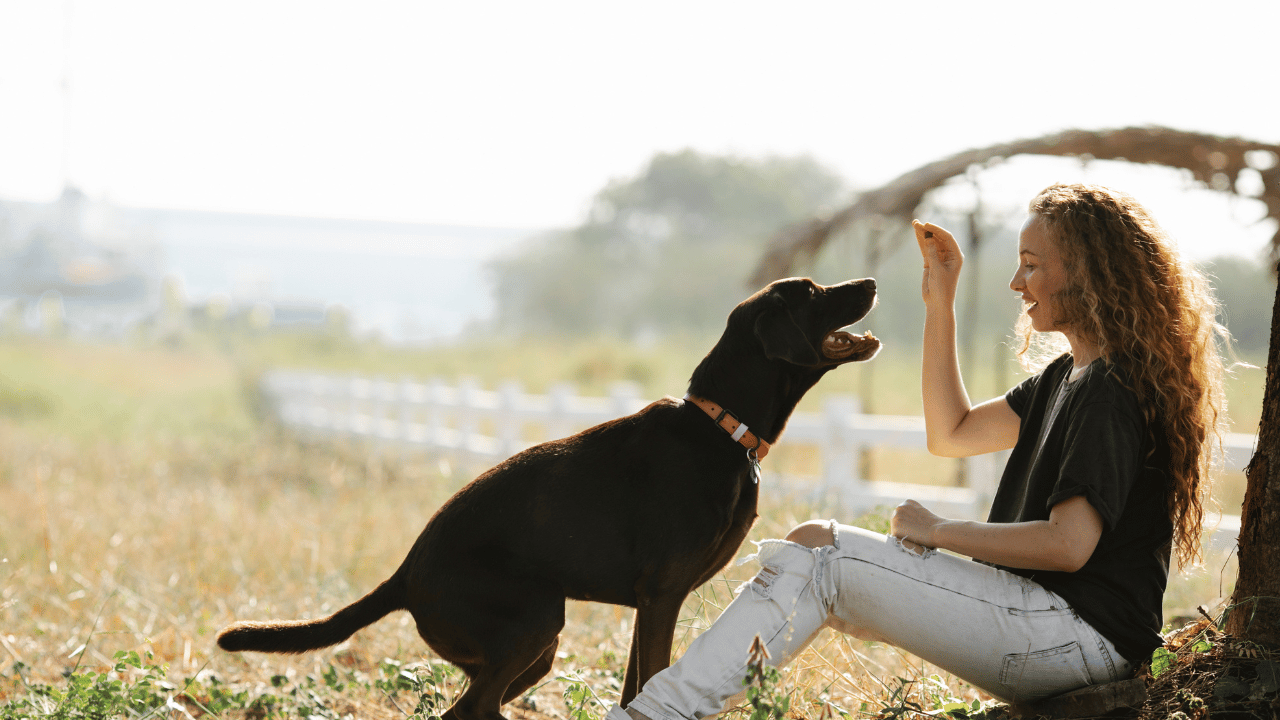
So, what do your dog’s reactions really tell you? Let’s break down the most common types of responses and what they can mean.
Startle and Recovery: This is a great sign. All dogs startle; it’s natural. What matters is how quickly they recover. A dog that jumps at the noise, looks around, and then investigates shows resilience and curiosity.
Calm Curiosity: If your dog glances at the object or sound and then ignores it, they’re likely confident and unfazed. This is ideal.
Fearful Withdrawal: If your dog hides, shakes, or avoids the object entirely, it suggests insecurity or fear. This doesn’t mean they’re “bad dogs,” but it does mean they’ll benefit from confidence-building training.
Defensive Reaction: Barking, lunging, or growling at the trigger can indicate fear-based reactivity. These dogs need calm, structured exposure to build trust and stability.
Keep in mind that genetics, past experiences, and even your own body language can influence reactions. Dogs are incredibly intuitive. If you stay relaxed and positive, they’re more likely to mirror that energy.
Building Confidence After Testing
If your dog struggles with certain reactions, don’t panic. The goal of testing is not to judge but to guide. Once you identify your dog’s comfort zones and triggers, you can start working on gradual desensitization.
For example, if your dog is afraid of sudden sounds, try introducing them slowly. Start at a low volume and reward calm behavior. If they’re wary of new objects, place the item at a distance and pair it with treats or playtime. Over time, your dog learns that new things are safe and even fun.
Structured training programs like those at The Collar Club Academy are built around these principles. Trainers use real-world socialization exercises to help dogs adapt to sounds, sights, and environments without fear.
Patience is key. Confidence doesn’t happen overnight, but every small success builds your dog’s trust in you and in themselves.
Puppies vs. Adult Dogs
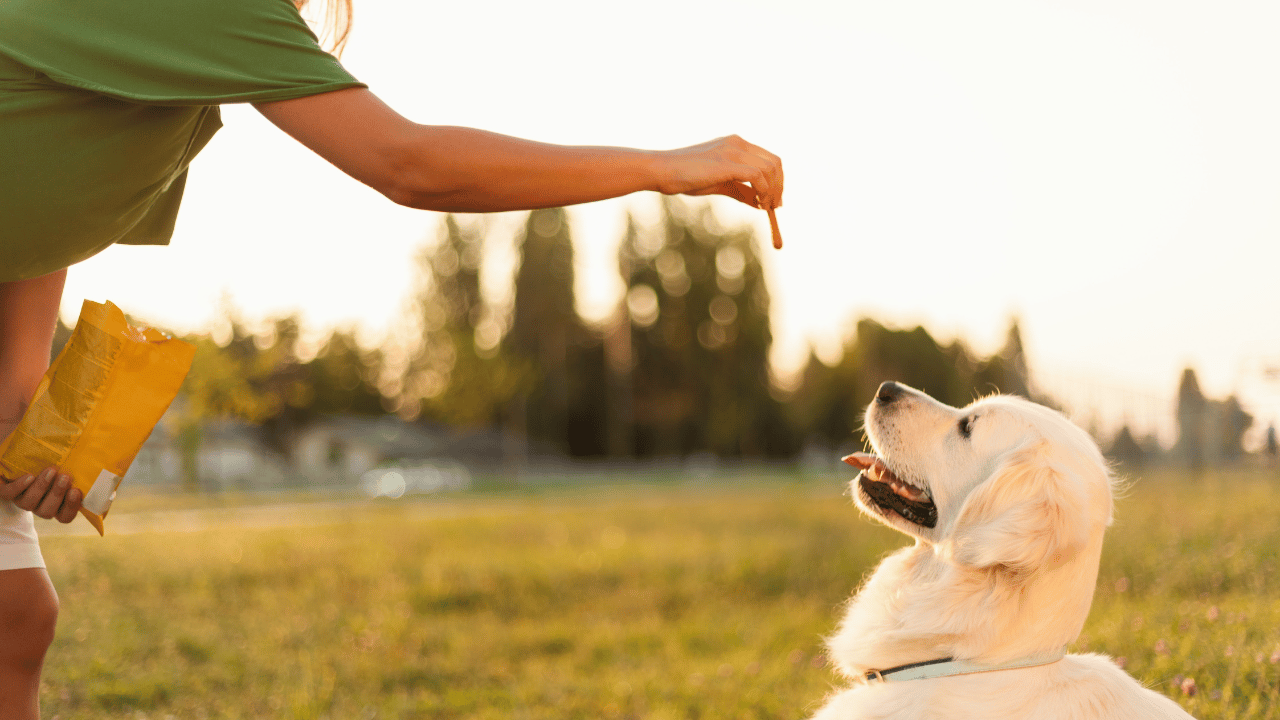
Testing a puppy’s reactions is a little different from testing an adult dog’s. Puppies are naturally curious but also more impressionable. Early experiences shape how they’ll respond to the world as adults.
When testing a young pup, focus on exposure more than evaluation. Introduce new sounds, sights, and surfaces gently. If they startle, give them time to investigate on their own. The goal is to build a “bounce-back” mindset, the ability to recover quickly and move on.
For adult dogs, testing is more about assessing existing behavior patterns. Maybe your dog was never socialized properly as a puppy, or they developed fears after a bad experience. Understanding where they are now helps you create a plan for progress.
If you’ve recently adopted a rescue or adult dog, working with a professional trainer can make all the difference. The Collar Club Academy offers personalized sessions that help both dogs and owners build trust through calm, structured interaction.
When to Seek Professional Help
Sometimes, a dog’s reactions reveal deeper anxiety or fear that may not be easy to manage alone. If your dog consistently overreacts to mild stimuli or struggles to calm down, a professional trainer or behaviorist can help.
At The Collar Club Academy, experienced trainers assess each dog’s emotional state and design a step-by-step plan to build confidence safely. Whether your dog’s reactions are mild or intense, professional guidance can help you turn those stress responses into calm curiosity.
Test Your Dog’s Reactions Now
Learning how to test your dog’s reactions is one of the best ways to understand your dog on a deeper level. Every sound, object, or surprise is a chance to learn about their emotional world. Start simple, stay patient, and always make the experience positive.
Your goal isn’t to have a fearless dog, it’s to have a confident one that trusts you no matter what happens. By reading and responding to your dog’s reactions with empathy, you’ll build a bond that’s based on understanding and trust.
If you’re ready to take your dog’s confidence and behavior to the next level, explore The Collar Club Academy’s training programs and see how our proven process helps you raise calm, confident, and well-balanced companions.
