
5 Tips You Need To Know Before Buying a Dog
Getting a dog is a major life decision, and while the idea of a new companion can be thrilling, it’s important to approach it with preparation and awareness. There are a lot of choices and considerations that new owners often overlook. From sourcing a healthy puppy to understanding their long-term needs, every step matters. This guide explores essential things to know before buying a dog and will help you make decisions that benefit both you and your pet. If you’re ready to get expert guidance, you can consider our Board & Train program for a more structured training approach.
TLDR
Avoid puppy mills and breeders who prioritize profit over care
Look for clean, reputable breeders who focus on health and temperament
Consider the dog’s long-term needs and lifestyle fit
Evaluate breed characteristics and energy levels
Training support is key; programs like Board & Train can help
Why Where You Get Your Dog Matters
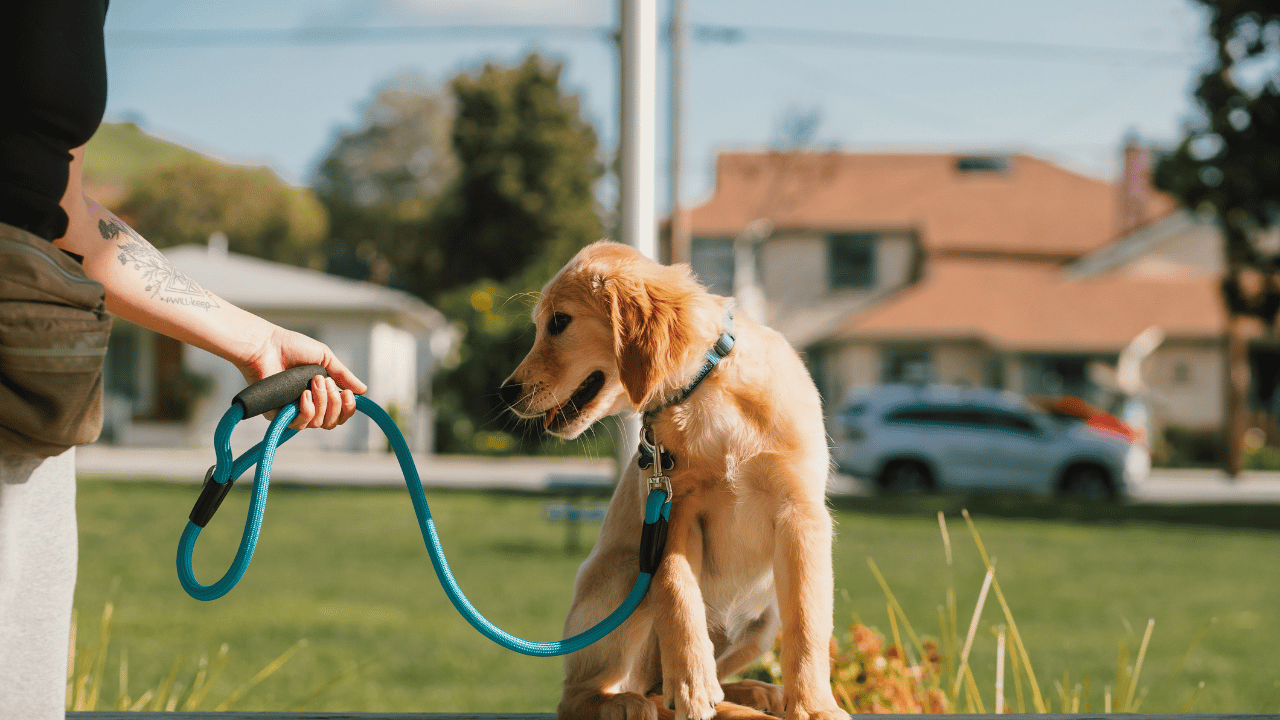
The first and arguably most important step in buying a dog is choosing the right source. Dogs from these environments often have serious behavioral and health challenges because of the conditions in which they were raised. Puppies born in unsanitary or crowded conditions may develop habits or preferences that are extremely hard to correct. For example, some dogs may be accustomed to living in soiled areas, and it’s very difficult to change that mindset.
This doesn’t mean every dog from a breeder will have issues, but it emphasizes why clean, ethical breeders are essential. A good breeder will prioritize the health, socialization, and temperament of their dogs, ensuring they are ready to adapt to a home environment. Avoid shortcuts here. The effort you put into researching breeders now saves a lot of stress later.
Things to Know Before Buying a Dog
When it comes to buying a dog, knowledge is power. Here are some key considerations:
1. Health and Genetics
A dog’s background is critical. Even with reputable breeders, knowing the dog’s health history, vaccinations, and genetic testing results is essential. Dogs from clean breeders are more likely to have fewer health complications, making training and long-term care much easier.
2. Temperament and Socialization
Dogs raised in poor conditions may struggle with basic social skills. Puppies or dogs that haven’t had proper early-life exposure to clean environments, people, and other animals may show behavioral quirks. Choosing a dog that has been socialized and handled properly makes all the difference in day-to-day life.
3. Long-Term Commitment
Buying a dog isn’t just about the first few weeks. You need to think in terms of years. Will this breed fit your lifestyle for its lifetime? How much exercise, attention, and training will it require? These questions are critical before making a decision.
4. Breed Characteristics
Each breed has unique needs and energy levels. Some dogs are very active and require extensive exercise, while others may thrive in calmer environments. Knowing what to expect helps you match your dog to your home and routines.
5. Training Needs
Even well-raised dogs benefit from professional guidance. Programs like Board & Train provide structured training that helps dogs adapt to family life quickly and effectively. A professional-led program ensures you and your dog are set up for success from day one.
Avoiding Common Pitfalls

Asking questions is important, but the number one thing most people skip is meeting both parents of the puppy. This is the biggest factor in understanding what your puppy will grow into. Temperament, behavior, confidence, and even stress levels often come from the parents.
Always meet the mother and the father. Watch how they act. Are they calm? Nervous? Confident? Avoidant? This gives you a real picture of what you can expect as the puppy matures.
If you want to understand long term health, ask the breeder about the grandparents too.
Some puppy mills produce dogs whose minds and behaviors are shaped by poor conditions. This doesn’t mean the dog is at fault. It means the environment failed them. That’s why it’s important to dig deeper and ask the right questions about the puppy’s early life:
• Was the puppy born in a clean space?
• Has it been socialized with people and other dogs?
• Are there any early signs of behavioral concerns?
Asking these questions and evaluating the parents helps prevent avoidable challenges later. Picking the right puppy sets the stage for a long, stable life with a dog who can truly thrive in your home.
The Role of Training Programs
Even with the best breeder or source, dogs need guidance. A structured program like Board & Train provides consistent training in a controlled environment. This is especially useful for first-time dog owners or for dogs that may have had less-than-ideal early life experiences. These programs teach foundational commands, help establish routines, and improve communication between owner and dog.
Board & Train also addresses individual needs. Every dog is different, and having professional oversight ensures that the dog’s specific challenges are managed effectively, avoiding common frustrations that many new owners face.
Start Your Journey Now
Buying a dog is a big commitment, but being informed about what to expect makes the journey far more enjoyable. Avoiding puppy mills, focusing on reputable breeders, understanding breed characteristics, and investing in professional training are all part of setting yourself and your dog up for success.
Before making the leap, take the time to learn as much as possible and make a plan. Use professional resources like The Collar Club Academy to guide your decisions, explore our Board & Train program to ensure your dog starts on the right path.
When done thoughtfully, buying a dog can be one of the most rewarding experiences of your life, and your dog will thank you with years of companionship, loyalty, and joy.
