
Leash Pressure Basics for Better Dog Handling
If you’ve ever watched a trainer work with a dog and wondered why a light flick of the wrist seems to get instant results, you’ve already seen leash pressure in action. It’s one of the simplest concepts in dog training, but it’s also one of the most misunderstood. A lot of owners either use too much force, use too little, or skip the teaching phase entirely, which leads to confusion for both the dog and the human.
Before we go deeper, if you want a more immersive training experience, take a look at the Board & Train program as well.
TLDR
Leash pressure is a communication tool, not a strength test.
Every dog responds to a different level of pressure.
The goal is light, clear guidance, not frustration or force.
Proper form matters and should be taught before raising pressure.
If the leash feels like you’re pulling a lawnmower, something needs to change.
What Leash Pressure Is in Simple Terms
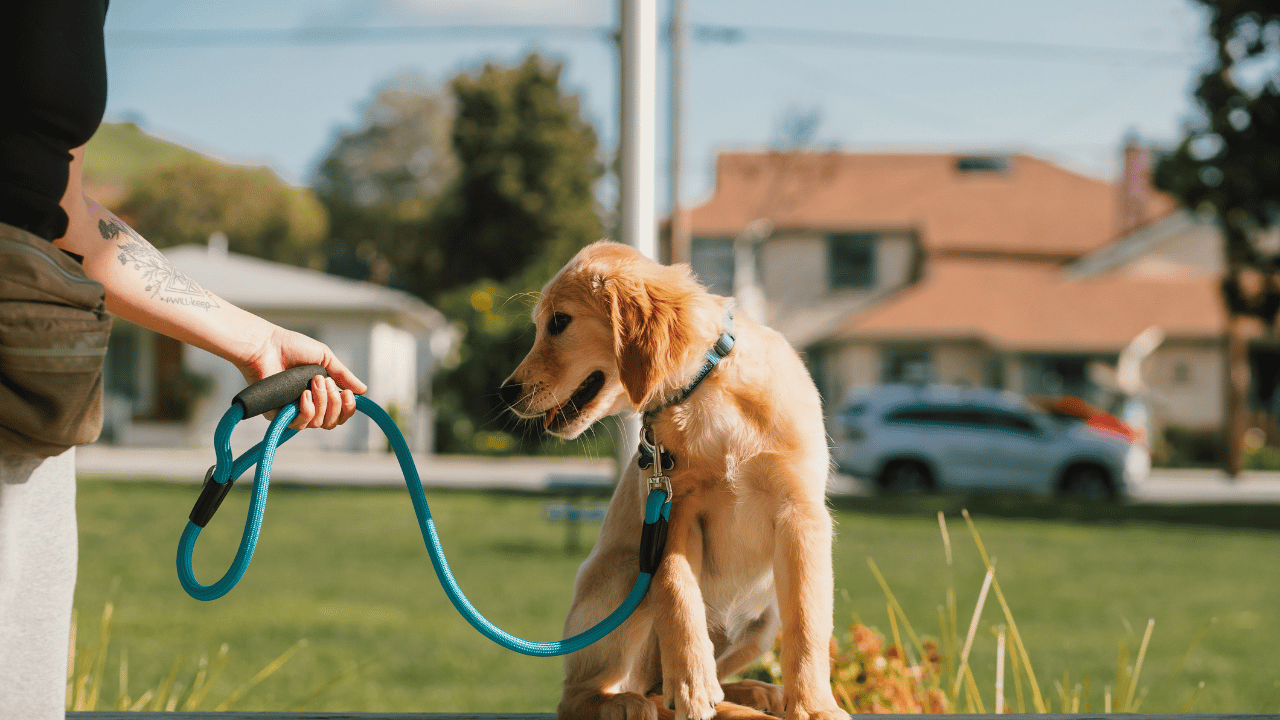
Leash pressure is your dog’s ability to follow the slightest tension on the leash and understand what that tension means. Think of it as a directional cue. Leash pressure is a very fast pop of the wrist in order to communicate with a dog.
Some dogs understand this quickly. With others, you may need to teach the concept step by step. The biggest mistake people make is assuming dogs naturally know how to respond. They don’t. It’s your job to show them what each level of pressure means and to stay consistent while you do it.
Every Dog Responds Differently
Leash pressure is not a one-size-fits-all tool. Some dogs respond to the lightest tug. Others may need a firmer cue to understand what you’re asking. And some dogs test you just to see how serious you are.
The key is reading the dog in front of you. You want to start with minimal pressure and slowly increase only if needed. When the dog acknowledges the pressure by yielding or changing behavior, that’s your sign that you’re communicating correctly.
A simple example:
If you give a gentle flick of the wrist and the dog resets, that’s perfect. If the dog ignores that and pushes the boundary, you can adjust slightly. But if you ever feel like you’re hauling back like you’re trying to start a lawnmower, then that’s not appropriate.
At that point, the issue is not the dog; it’s the method. Either the form is off, the wrong tool is being used, or the dog hasn’t been taught the meaning of the pressure yet.
This is why many owners find our Board & Train program helpful. With daily structure and hands-on sessions, dogs learn clear communication quickly.
Why Form Matters More Than Force

Leash pressure only works if your form is correct. People usually focus on the tool, but the technique behind the tool matters much more.
Here are a few things that make a difference:
1. Wrist movement instead of arm strength
A clear, quick cue comes from the wrist. Not from pulling, dragging, or muscling the dog around.
2. Timing
If the timing is off, the dog won’t connect the pressure with the behavior. That leads to confusion and frustration.
3. Staying calm
Frustration is understandable, but taking it out on the dog is not. The moment frustration takes over, leash pressure turns into something it isn’t supposed to be.
4. Teaching before correcting
You can’t expect a dog to understand pressure if you haven't shown them what it means. Skipping the teaching phase is one of the biggest reasons dogs resist or ignore leash cues.
The Purpose of Leash Pressure
A lot of owners think leash pressure is only a correction tool, but that’s not accurate. It’s actually one of the simplest ways to guide a dog through distractions, new environments, or challenging moments.
Here’s what leash pressure accomplishes:
Clarity
A dog learns exactly where you want them and when you want them there.
Consistency
You can communicate the same way every time, which helps the dog feel more grounded.
Confidence
A dog that understands leash pressure is usually much calmer because guidance is clear.
Sometimes leash pressure alone isn’t enough. If you’ve checked your form, applied the teaching phase, and still feel like nothing is working, it might be time to look at other tools. That is completely normal and often necessary depending on the dog’s personality and energy level.
When to Adjust Your Method
If things feel off, you should evaluate the situation rather than doubling down on pressure.
You may need to:
Switch to a different collar
Revisit the teaching phase
Improve your leash technique
Create more structure before asking for harder behaviors
Spend time reinforcing the basics in a low distraction environment
If you’re unsure what your dog needs, our Board & Train program is designed to remove the guesswork and reset the foundation.
Get Results Now
Leash pressure is simple when you break it down, but it requires patience and awareness. You’re not trying to overpower your dog or create conflict. You’re communicating through clear, consistent cues that help your dog understand what you need.
Let The Collar Club Academy help you build calm, confident communication with your dog.
